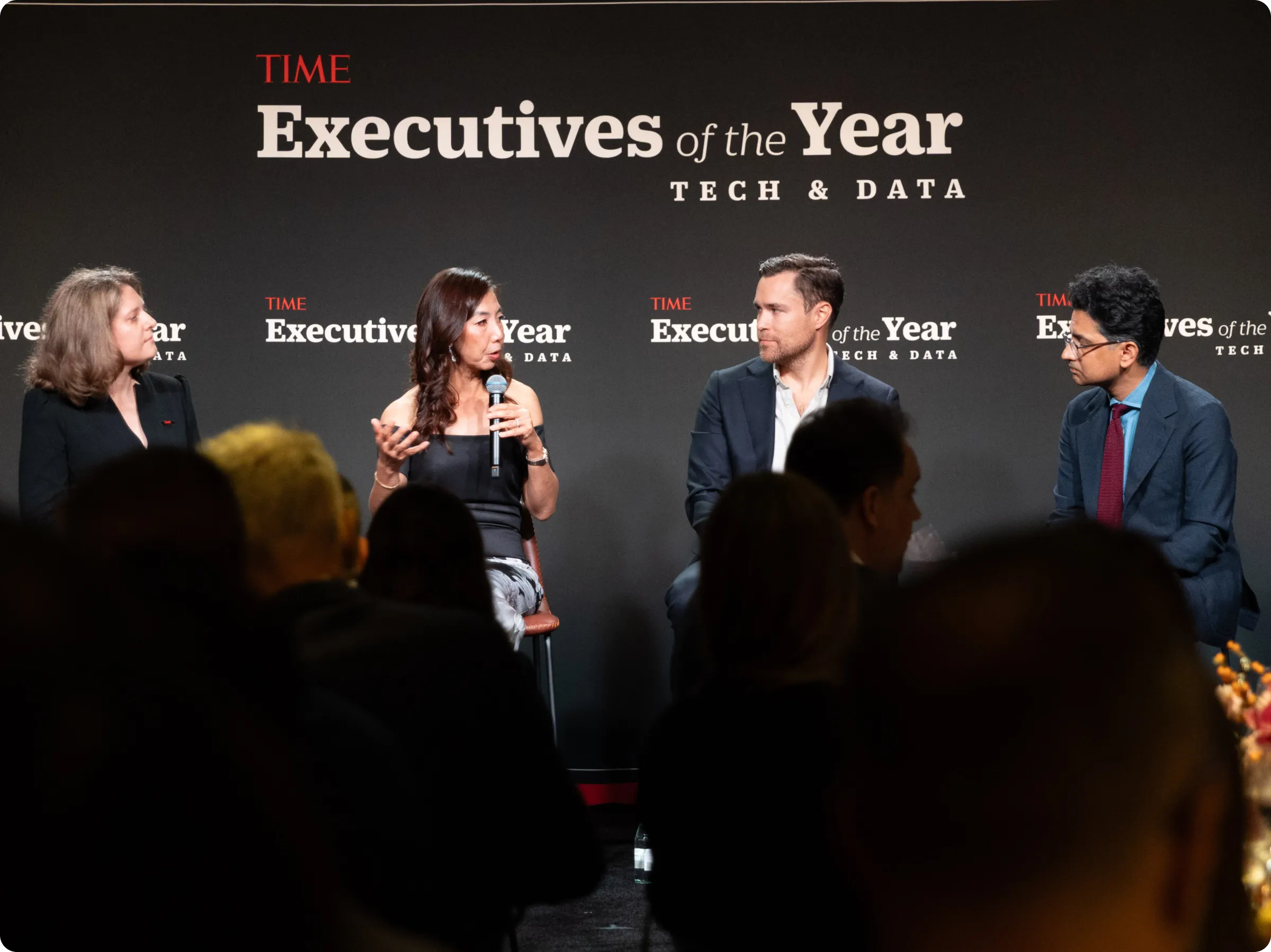
At Advertising Week New York, Elyse Blouin of Lowe’s, Dylan Lonergan of Citi, and Erica Few of Rokt joined moderator Kerry Flynn of Axios to discuss a growing opportunity for businesses across industries: commerce media. During The New Revenue Line: What Customer Attention Is Actually Worth, the panel explored how businesses can use their customer relationships, first-party data, and high-intent moments to create new revenue opportunities.

As commerce media expands beyond traditional retail, businesses are finding more ways to connect brands with customers at relevant moments throughout their journeys. The discussion highlighted how understanding customer intent, using AI-powered decisioning to deliver relevant experiences, and measuring incremental outcomes can help businesses unlock greater value from these interactions.

From transaction data to understanding what comes next

Commerce media builds on the foundations of retail media by using signals across merchants, categories, and customer interactions to better understand what consumers may need next.

For Citi, this means using predictive transactional intelligence to identify purchasing patterns that may not be immediately obvious. 

Auto buyers have a higher propensity to be new pet owners.” Dylan explained. “If you think QSR, certainly if I transacted at a QSR very regularly, that makes sense to potentially serve a QSR customer. But workout enthusiasts are also high-propensity QSR customers

Lowe’s uses its customer insights differently. Elyse discussed how the company’s loyalty programs help distinguish between DIY homeowners researching larger projects and professional customers making more frequent, repeat purchases. Understanding these behaviors allows Lowe’s to deliver relevant content, inspiration, and offers throughout each customer’s journey.

The data these companies sit on is rich. The harder question is what to do with it in the moment, which is where decisioning comes in. 

Using AI to deliver real-time relevance

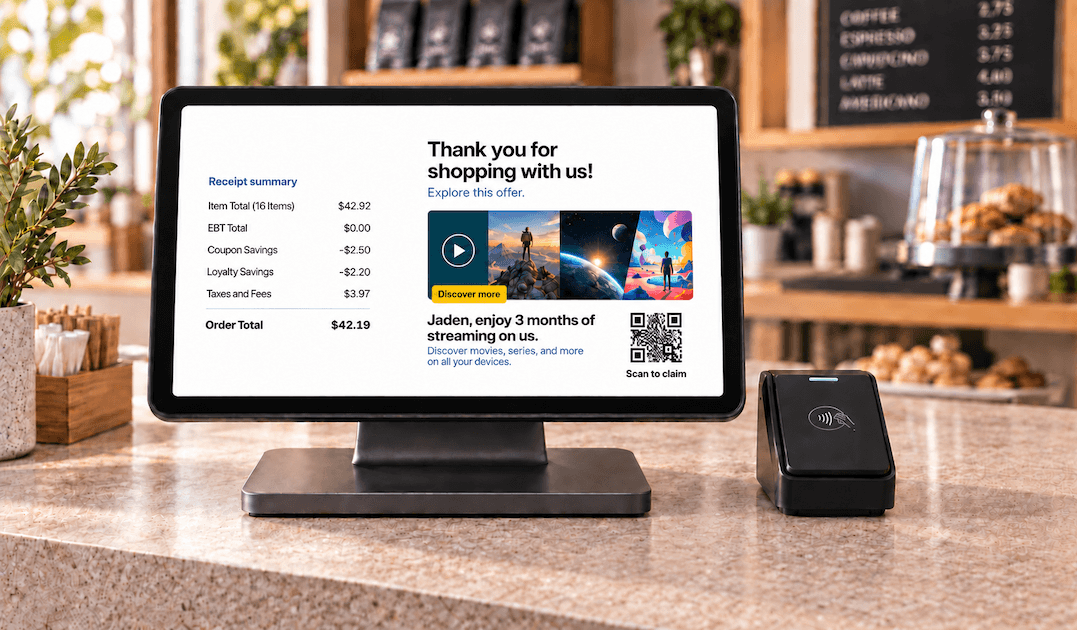
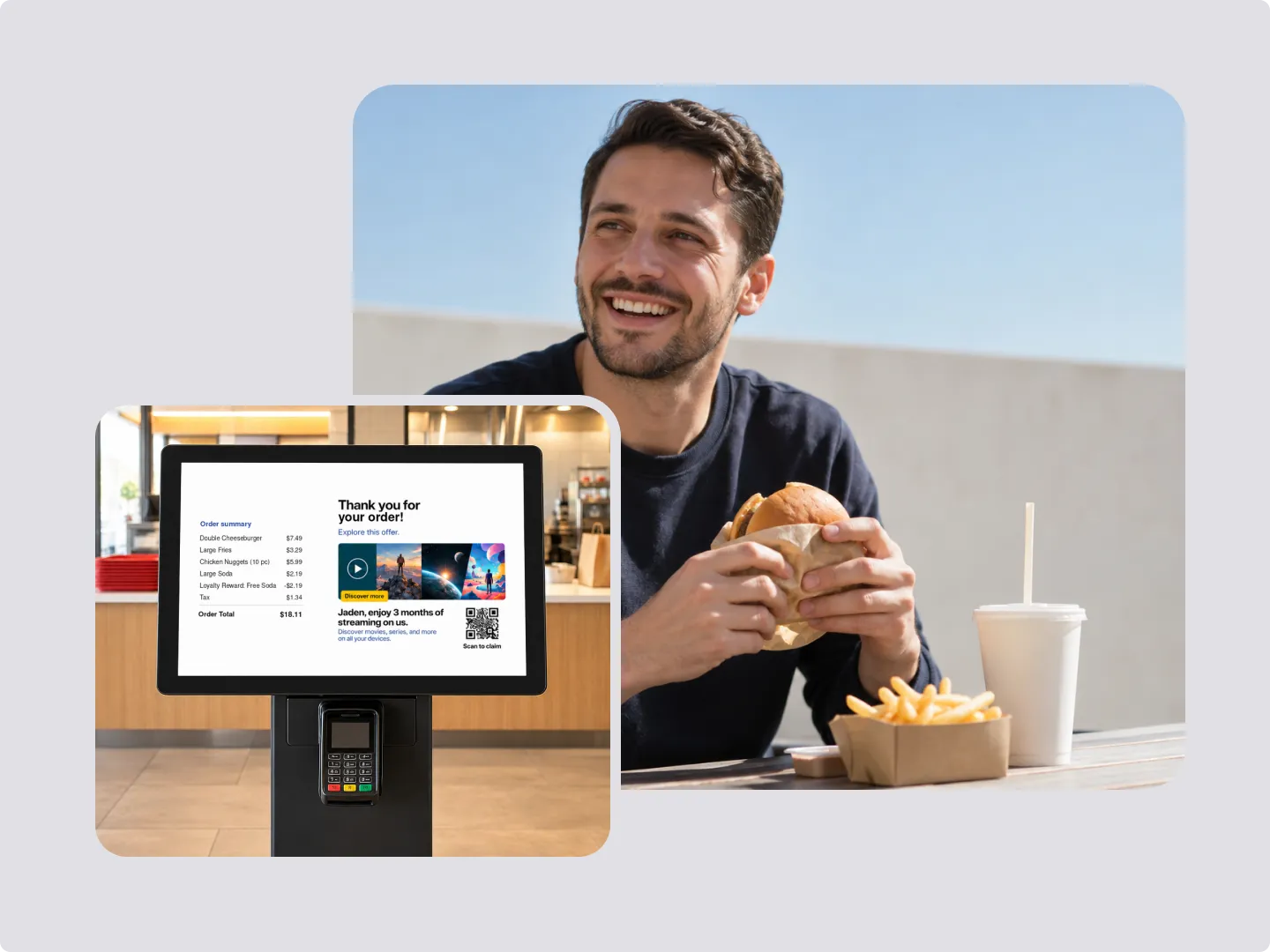
Erica explained how Rokt uses AI and machine learning to evaluate first-party signals and determine which offers are most relevant to customers in real time. Across the Transaction Moment™, this approach connects customers with brands and offers that complement their activity, including opportunities they may not have been actively searching for.

Importantly, relevance also means knowing when not to advertise. As Erica noted, there is "power in suppressing an ad experience" when an offer is not right for the customer.

Dylan reinforced this approach, explaining that Citi's goal is not to introduce advertising across every available property, but to use predictive intelligence to identify moments when a message can genuinely add value. For businesses developing commerce media networks, that distinction is critical to maintaining customer trust while creating new revenue opportunities.

Proving value beyond the impression

Relevant advertising creates an opportunity, but demonstrating incremental impact is what makes commerce media valuable to advertisers.

Elyse discussed how Lowe's works with a third-party measurement partner to evaluate advertising effectiveness across digital and in-store experiences. This gives advertisers a clearer view of how their investment drives business outcomes, rather than relying solely on traditional media metrics.

Citi has similarly invested in measurement capabilities that connect advertising exposure to transactions across merchants and categories. Dylan explained that the company spent several years refining its measurement approach before bringing its commerce media offering to market, underscoring the importance of proving performance from the outset.

While incrementality remains central, Elyse encouraged the industry to think more broadly about the business problems advertisers are trying to solve.

The next evolution is beyond incrementality. It's thinking about what are those business problems that we're solving for our advertisers, and then what are the suite of KPIs that we need to be prepared to report on,

Elyse explained.

Erica echoed that perspective, highlighting how Rokt measures performance beyond the initial conversion to understand long-term customer value.

We also focus not just on that first conversion event, but really thinking about and understanding what those downstream events are that can drive the most lifetime value for the customer,
Erica explained.

The conversation highlighted how a deeper understanding of customer intent, relevant experiences, and measurement that demonstrates meaningful business outcomes will shape the future of commerce media. As more industries enter the space, these capabilities will help businesses create greater value for customers and advertisers while building sustainable new revenue streams.
Read the full panel transcript

The New Revenue Line: What Customer Attention Is Actually Worth

Advertising Week New York | October 6, 2026

Panelists: Elyse Blouin, Lowe's; Dylan Lonergan, Citi; Erica Brophy Few, Rokt

Moderator: Kerry Flynn, Axios

Kerry Flynn: Why are we all about commerce media these days? Dylan, you wanna kick us off?

Dylan Lonergan: Sure. Hi, everybody. I'm Dylan Lonergan, head of sales for Citi Commerce Media. I think what's fundamentally changed is the value proposition of retail media is so self-evident. The ability to own the shelf, tie back SKU-level data to transactions.

And I think commerce media really just expands that value proposition. I don't know that it's fundamentally changed. We've just realized the value of being able to measure retail media and media networks in general relative to maybe legacy media. And so now commerce media gives us the ability to look cross-retailer, cross-merchant, cross-category, and importantly, tie back to actual transactions.

Erica Brophy Few: I think one of the key differentiators when I think about the shift from retail media to commerce media is retail really starts with, or was born out of, the context of purchase, what's in the cart. Whereas commerce media is focused more on the context of the individual.

We've been able to zoom out more and understand the cross-merchant, cross-transaction view and really give the customer more dimensions.

Elyse Blouin: I think retail media really proved that there was value there from an advertiser perspective, and commerce media is broader. It's no longer just about the placements from a media perspective. It's no longer just about on-site placements, off-site placements.

Commerce media is really about being connected at all of the points of relevance for the customer. It's more full funnel. It's more about brand experiences and really making sure that the advertising is performant for the advertiser, but also beneficial for the customer.

Dylan Lonergan: I think what's so powerful about Citi is a couple of different things. One, 210 years of customer trust. And in that, we also have a breadth of data available to us beyond just a transaction.

One example that comes to mind is our ability to understand where customers are going to go next through things like predictive transactional intelligence.

Auto buyers have a higher propensity to be new pet owners, or if you think QSR, certainly if I transacted at a QSR very regularly, that makes sense to potentially serve a QSR customer. But workout enthusiasts are also high-propensity QSR customers.

Our ability to look more holistically at individuals at a one-to-one level, add breadth and depth of data, and then understand where folks are gonna go next, and then be able to provide them a high-intent moment.

Elyse Blouin: I would say that the customer is still at the core of what is important in retail media. The transaction data and the propensity data that Dylan talked about is definitely something that we need to lean into as an industry.

I think measurement is critical in this space, so making sure that we can communicate the benefit of what we're doing from an advertising perspective and prove that it's incremental is more and more important.

Erica Brophy Few: When I think about the evolution of Rokt, where we started was the more traditional retailer, that transaction moment where there is that add-to-cart flow. Where we now sit has really begun to shift to also include the likes of financial services partners.

With that shift, there's going to be more partners that become more applicable to what we do as a company, which is bringing that relevant ad experience to that moment when customers are completing their main transaction or main activity with that partner.

Elyse Blouin: One of the key things about Lowe's is that we have both a pro and a DIY loyalty program, and so we are able to determine if you are a homeowner or a pro customer.

The signals within those customers are very different. If you think about a homeowner, you're probably doing a lot of research, you're probably engaging in a bigger project.

On the pro side, they're shopping more frequently, and they're buying similar products. It's really important for us to understand those different patterns with different customers to engage with them differently.

Erica Brophy Few: When it comes to data, at Rokt, we have what we call the Rokt Brain, and it is really our secret sauce to how we drive relevance for customers.

We're able to take all the different data points that we have, based on first-party signals that we're getting from partners, the first-party signals that we're getting from advertisers, as well as those data points that we've gathered by understanding who is engaging with what placements.

Being able to take that all in and leverage the power of AI and machine learning to ultimately figure out what is the right combination in real time for that customer makes the ad work.

Dylan Lonergan: When you're sitting on so much data, as a media network, fundamentally, it has to start with the customer. And if we start with the customer, that enables us to discern what data is most relevant to that customer.

We're trying to marry adding value to cardholders and customers, because if we can do that, we can then deliver marketing outcomes on the back end.

One of the biggest things is we're not trying to create more advertising. We want to be highly relevant in adding value.

Erica Brophy Few: From a measurement standpoint, when you think about Rokt, we are a performance network at the end of the day. We are here to drive results for advertisers, leaning into whatever that downstream event is.

We also focus not just on that first conversion event, but really thinking about and understanding what those downstream events are that can drive the most lifetime value for the customer.

Elyse Blouin: We leverage a third-party accredited partner to build bespoke MTA and MMM models for each of our advertisers. We feel like that's important because we're not grading our own homework.

We also want to make sure that we are closing the loop on all of our ad placements, not just on-site, not just in digital, but our stores are really valuable and important resources to us as well.

Erica Brophy Few: One of the things that we find very important is it's not always the right time to show an ad. And part of that is also part of the experience where there's power in suppressing an ad experience just as there is the power of matching the right offer to the user.

Elyse Blouin: The next evolution is beyond incrementality. It's thinking about what are those business problems that we're solving for our advertisers, and then what are the suite of KPIs that we need to be prepared to report on.

Thinking beyond just incrementality, but thinking about customer lifetime value or new to brands and all of these different metrics that really tell the full story of what we're doing for the partner is going to be really important.

Erica Brophy Few: One of the things that we also prioritize is always going to be that customer value and customer experience.

When we're thinking about what is the right thing to show, it's not always what is the most valuable and what's going to drive the most revenue for the partner, but we're always putting the customer in that front seat decision where it's what is going to be the most valuable for them.

Dylan Lonergan: There's so many media networks today, and we all have a different view of the potential customer. I think what we're really focused on is ways we can create synergies across the ecosystem.

Working with Elyse, working with Erica and the Rokt team, working with the broader ecosystem to help reduce some of that friction and ideally continue to elevate the category.

Erica Brophy Few: One of the things that I'm excited for is the new shapes of the partnerships that we're able to take on and how we're starting to work with not just your standard retailer, but more of the tech players in the space and other businesses that have maybe a more B2B-to-B2C sort of relationship.

Elyse Blouin: The industry is still evolving. It's new. It's changing every day. And so what I get excited about is developing talent in the industry. What are the future leaders of retail media that we can work together to develop now?

Kerry Flynn: Thank you so much to my lovely panelists, and thank you all for listening. Enjoy the rest of Advertising Week.